The Direct Answer: Usually No
Most people ask this question because they have heard stories about traditional veneers. Shaving teeth down to pegs. Injections. Permanent changes. That fear is real, and it is one of the main reasons people delay getting the smile they want.
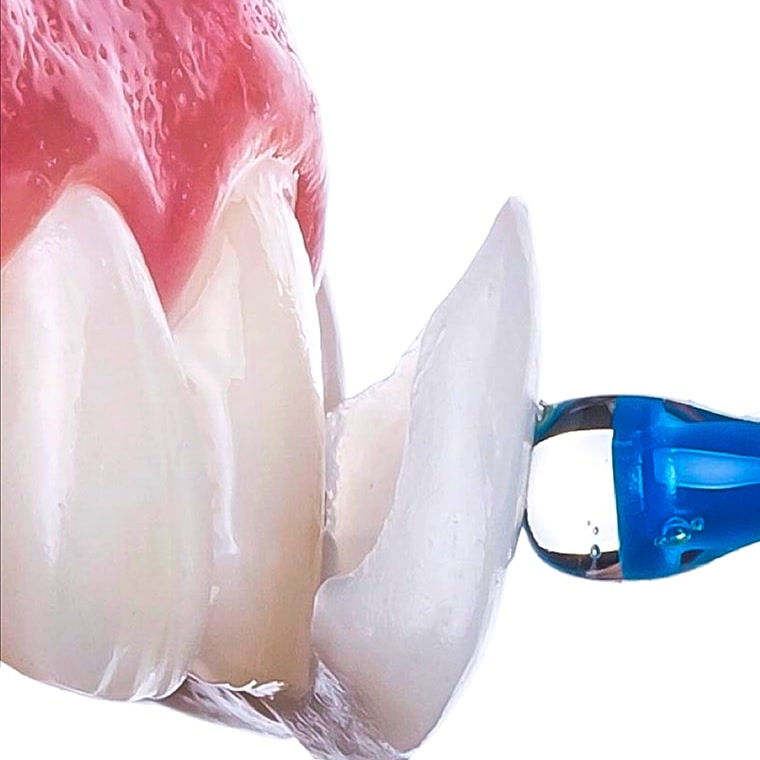
PERL veneers are designed around a different idea. Instead of shaping your teeth to fit a material, the material is designed to fit your teeth. That one shift changes almost everything about the experience.
Most cases need little to no tooth reduction at all. That is not a marketing claim. It is the core design principle behind the entire PERL system.
Why Enamel Matters So Much
Enamel is the hard outer layer of your tooth. It protects everything underneath. Once enamel is removed, it does not grow back. That is not negotiable. Your body cannot replace it.
This is why the decision to cut into a tooth is so significant. In traditional cosmetic dentistry, removing enamel is routine. It is done to create space for the veneer material so everything sits flat. The result can look great, but the underlying tooth is changed forever.
PERL was built with enamel preservation as the starting point, not an afterthought. The digital design workflow lets Dr. Trembley plan the final result before touching a single tooth. In many cases, the veneers bond directly onto the existing tooth surface with little or no prep work at all.
Enamel does not grow back
Conservative cosmetic dentistry treats preservation as a priority, not a compromise. The less enamel removed, the more options your teeth keep for life.
How Traditional Porcelain Is Different
With traditional porcelain veneers, the process typically requires reducing the tooth. The dentist removes a layer of enamel from the front of each tooth to make room for the porcelain shell. This is sometimes described as shaving the teeth down.
Once that enamel is removed, the tooth is no longer the same. You are committed to having a veneer on that tooth for the rest of your life. If the veneer chips or breaks, the tooth underneath cannot simply go back to how it was.
Traditional porcelain can look excellent. The point is not that porcelain is bad. The point is that it comes with a permanent biological tradeoff, and many patients never hear about it before they start.
PERL gives patients and their dentist another option. One that does not ask for that same commitment upfront.
When Some Prep Is Still Needed
It would not be honest to say PERL veneers never need any tooth preparation. Some cases do need minor work before the veneers can be placed properly.
Teeth that are badly misaligned, have old dental work, or need certain edge adjustments may require some smoothing or reshaping. The goal is always to do as little as possible while still getting the right result.
What matters is the conversation before anything starts. Dr. Trembley reviews your case and tells you exactly what preparation, if any, will be needed before any work is done. Nothing is a surprise. You know what to expect going in.
You will know before the appointment
If your case needs any prep, you hear it at the consultation, not in the chair. That transparency is part of how this process works.
What Is Possible: 26 Teeth, One Alteration
One of the most striking things about the PERL approach is what it makes possible in complex cases. Dr. Trembley puts it plainly:
We restored 26 teeth by only altering one.
That is not a common outcome in traditional cosmetic dentistry. It shows what happens when the workflow is built around digital design and enamel preservation from the start. The material is designed to fit the mouth as it is, not the other way around.
Not every case will look like that. But it illustrates the philosophy behind the system. The goal is always to do the least amount of irreversible work needed to get the result the patient wants.
Learn More
If you want to understand how PERL works from start to finish, the PERL program page covers the full picture: what the system is, how it compares to other options, and who makes a good candidate.
If your main question is how PERL stacks up against traditional porcelain, the PERL vs porcelain page breaks down the key differences side by side. It also covers when porcelain is the better choice.
The best way to know whether your own teeth would need any preparation is a consultation. Dr. Trembley can review your situation and give you a clear picture before you make any decisions.